How Gold for Kids decides which charities get a grant
People ask us fairly often how we decide where the money goes, and it's a fair question. If you've given us your old crowns, you should be able to see exactly what happens to them. And if you run a children's charity, you should know what we're looking for before you spend an evening on an application.
So here's the whole process.
Who we fund
Gold for Kids exists to help children in the UK who are experiencing poverty, hardship or crisis. We fund registered charities and community organisations that give practical, emotional or emergency support to those children.
Over the years that has included national names like Barnardo's, the NSPCC, Child Poverty Action Group, Centrepoint and The Felix Project, alongside much smaller local organisations doing brilliant work that most people have never heard of. The smaller ones are, if anything, where a grant of our size makes the biggest difference.
How much we give
Our grants usually range from £1,500 to £7,500, and we make one grant per charity per year.
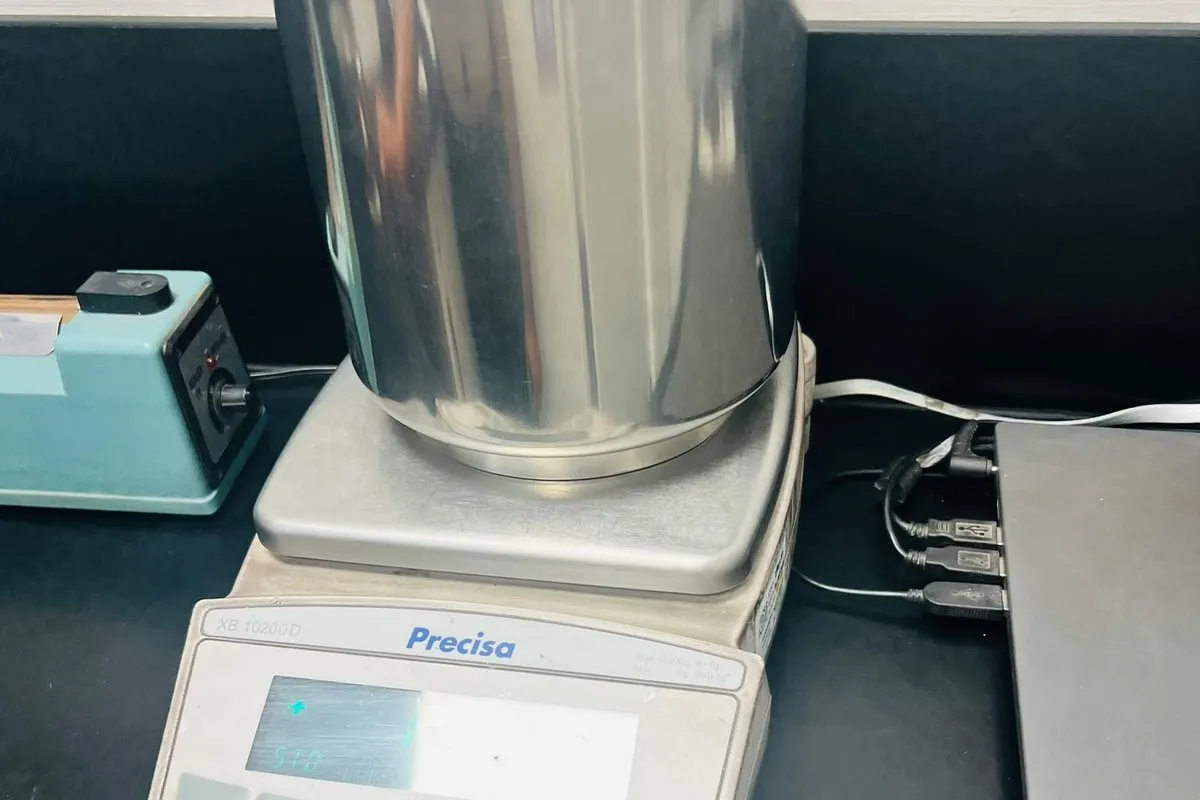
The money comes from our melts. Dental practices across the UK collect old crowns, bridgework and donated jewellery, and twice a year it's melted down and refined. Gold for Kids is one hundred per cent volunteer led and run, and nobody draws a salary from donations. In line with sustainable practice, we hold back a small percentage of each melt to cover the cost of running the charity and bringing more practices in, and everything else goes out in grants.
How applications are scored
Applications are made through a simple online form. Once a round closes, our grant committee reviews every application and scores it out of ten against three things.
1. Mission fit. How directly does the project help children facing poverty, hardship or crisis? This is where most unsuccessful applications fall down. There are lots of good causes, and we'd love to fund all of them, but we can only do real good by staying focused on the children we exist to help.
2. Impact. What difference will this grant actually make, and to how many children? We're looking for something specific. "Breakfast club places for forty children at a primary school where most families qualify for free school meals" tells us far more than "supporting young people in our community".
3. Sustainability. Will the project still be doing good once our money has been spent? That doesn't mean it has to run forever, but we want to see that you've thought about what happens next, whether that's other funding, a lasting change for the children involved, or a one-off cost that doesn't need repeating.
The committee then weighs the scores against the size of the fund for that round and decides how to spread it. Successful charities are asked to send us short updates at six and twelve months, and we share those updates, because the practices who made the grant possible deserve to see what it did.
What makes an application stand out
Having read a good few of them, a handful of things make a real difference.
Finish every section. It sounds obvious, but a form with gaps in it is very hard to score, however good the work behind it.
Use numbers. How many children, how often, how much each part costs. A simple budget that adds up is worth more than a page of description.
Be clear about the gap. If another grant has ended, or demand has grown, say so. It helps us see exactly what our money would do.
Keep it consistent. If the numbers in your project description don't match the ones in your budget, we'll have to come back and ask, and that can slow everything down.
Tell us what happens afterwards. Even one honest sentence on sustainability is better than leaving it blank.
When we decide
We review applications twice a year, after each melt. For the round following our July 2026 melt, the committee meets at the end of October and grants are paid in mid-November. When they are, we'll publish every charity and every amount right here.
If you run a children's charity and think we might be a good fit, you can read the full guidance and apply here. If you're a dental practice and you'd like to help fund the next round, register your practice here.
The Gold for Kids Team